
Understanding and reducing pregnancy loss in lactating dairy cows
Early pregnancy loss is one of the biggest reproductive challenges in dairy farming, with about one‑third of pregnancies failing in the first month. These losses stem from either embryo death or the cow’s inability to maintain the corpus luteum—the structure that produces progesterone needed to support early pregnancy. This project will test progesterone supplements during two key early‑pregnancy windows to determine when intervention is most effective. Working with 2,000 cows in commercial herds, the team will also use genetic evaluations to identify animals naturally more resilient to pregnancy loss.
By improving pregnancy success, the project aims to reduce economic losses, improve animal health, and strengthen farm sustainability. Expected benefits include fewer non‑productive days, reduced culling, and lower environmental impact per unit of milk. The project also supports dairy communities by creating practical, science‑based educational resources about pregnancy and pregnancy loss for farmers, veterinarians, students, and the broader public.
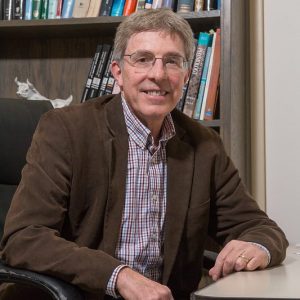
PI: Milo Wiltbank
Milo C. Wiltbank is a professor of reproductive physiology in the UW–Madison Department of Animal and Dairy Sciences, where he has been a faculty member since 1991. He is internationally recognized for his influential research on dairy cattle reproduction and has authored more than 250 peer‑reviewed papers. His work has shaped both scientific understanding and on‑farm practices, especially through the development of timed artificial insemination protocols such as Ovsynch and Double‑Ovsynch. Wiltbank’s research spans topics including hormonal regulation, follicle development, and strategies to reduce pregnancy loss in dairy cows.
Wiltbank continues to lead research focused on improving fertility by understanding the biological mechanisms that drive early pregnancy success and ovarian function. His contributions have had a lasting impact on dairy herd management worldwide, and he remains a dedicated mentor within UW–Madison’s Endocrinology–Reproductive Physiology program. Through his teaching, outreach, and collaborative science, he plays a key role in advancing reproductive efficiency and sustainability in dairy agriculture.
Sofia Ortega is an assistant professor of reproductive physiology in the UW–Madison Department of Animal and Dairy Sciences. Originally from Honduras, she earned her bachelor’s degree from Zamorano Agricultural University, a master’s degree in animal sciences from the Pontifical Catholic University of Chile, and a Ph.D. in animal molecular and cellular biology from the University of Florida. Before coming to UW–Madison in 2022, she gained experience in both industry and academia, including managing a bull stud in Honduras, conducting research in Chile, and serving as an assistant professor at the University of Missouri. Her work centers on understanding the genetic and molecular mechanisms influencing early embryo development and pregnancy establishment in cattle.
Ortega’s research program uses advanced genomic tools, including gene editing and multi‑omics approaches, to uncover how both maternal and paternal factors shape fertility. Her long‑term goal is to improve reproductive efficiency and develop genetic strategies that support successful pregnancies in dairy and beef cattle. Her work is helping advance reproductive science while providing insights that can support more sustainable and efficient cattle production systems.
wiltbank@wisc.edu