
Identifying effective weed control programs and enhancing grower education for managing troublesome weeds in high oleic soybean systems in Wisconsin
Wisconsin dairy farms are increasingly interested in growing high oleic soybeans as a homegrown feed source that can increase milk fat yield and strengthen farm profitability. However, integrating soybean into a traditional alfalfa-corn silage rotation presents significant weed management challenges, particularly from glyphosate-resistant waterhemp and giant ragweed. Because high oleic soybean varieties lack multiple effective herbicide tolerance traits, producers are often limited to older, less effective chemistries and cultural tactics, increasing production risk. This project supports the Dairy Innovation Hub priority area of Stewarding Land and Water Resources by identifying research-based weed management strategies that protect yield, reduce unnecessary land use, and mitigate erosion and nutrient loss risks associated with poorly managed soybean acres. By improving weed control and crop productivity, the project will help ensure that high oleic soybean can be a sustainable and economically viable component of Wisconsin dairy forage systems, advancing environmentally sound practices while strengthening dairy farm resilience.
Dairy Innovation Hub funding supports the rapid translation of existing University of Wisconsin-Madison herbicide evaluation data into targeted recommendations for high oleic soybean production systems, while also supporting focused field demonstration trials in southern and northeastern Wisconsin. Project activities include data analysis, in-field research coordination, outreach publication development, video production, and field day programming. Additional support for travel and research supplies will help ensure high-quality demonstration plots and accessible on-farm learning opportunities for dairy producers and agronomists.
Outreach efforts will include articles, field days, winter educational programming, and digital resources distributed through Wisconsin Crop Manager, extending the project’s impact statewide and strengthening the connection between university research and on-farm decision-making. The project is expected to increase feed self-sufficiency, improve opportunities for milk component revenue, and provide farmers with practical tools to address emerging weed resistance challenges across Wisconsin dairy systems.
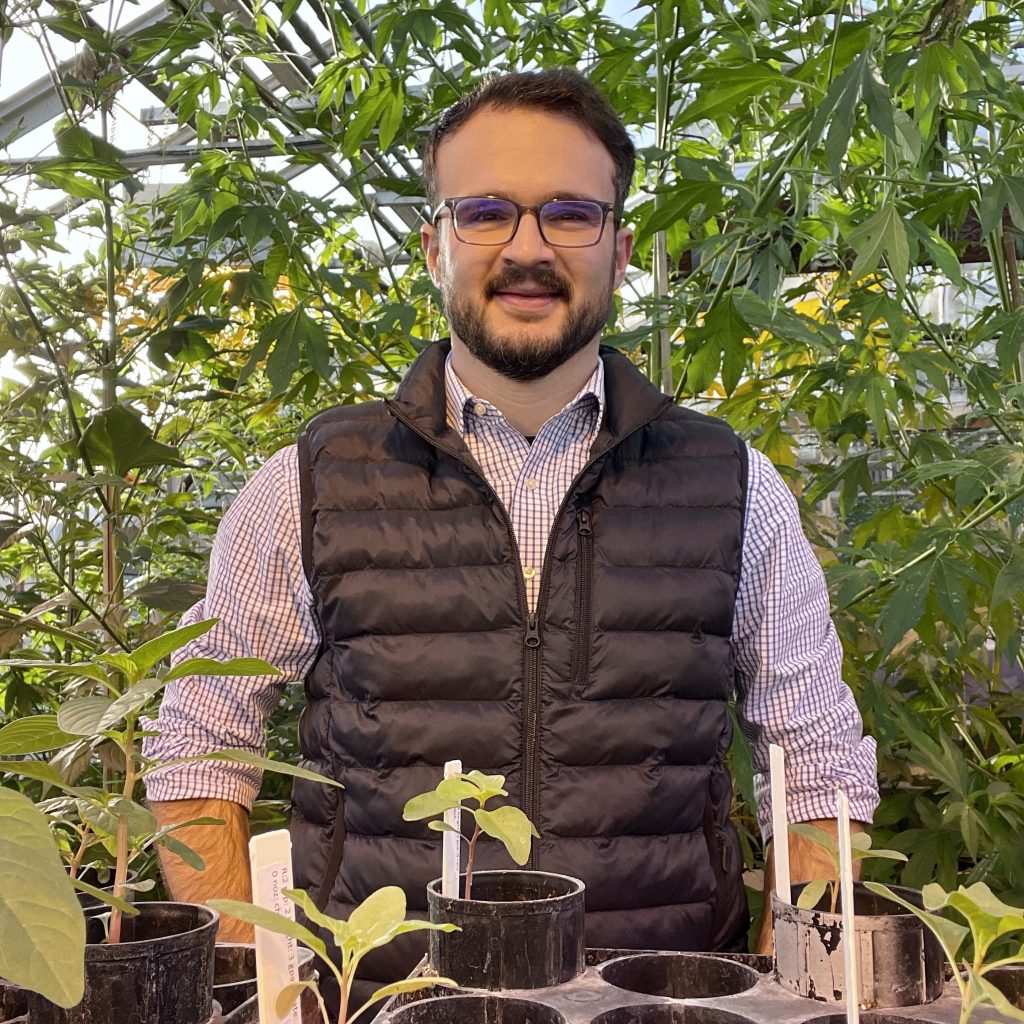
Principal Investigator
Dr. Rodrigo Werle is an Associate Professor and Extension Cropping Systems Weed Scientist at the University of Wisconsin-Madison. His research and Extension program (aka WiscWeeds) focuses on integrated approaches to weed management in corn, soybean, and small grains in Wisconsin farm systems. Dr. Werle received his BS in Agronomy from São Paulo State University in Brazil, and his MS and PhD degrees in Agronomy with Specialization in Weed Science from the University of Nebraska-Lincoln.
rwerle@wisc.edu
(608) 262-7130
WiscWeeds Program Page