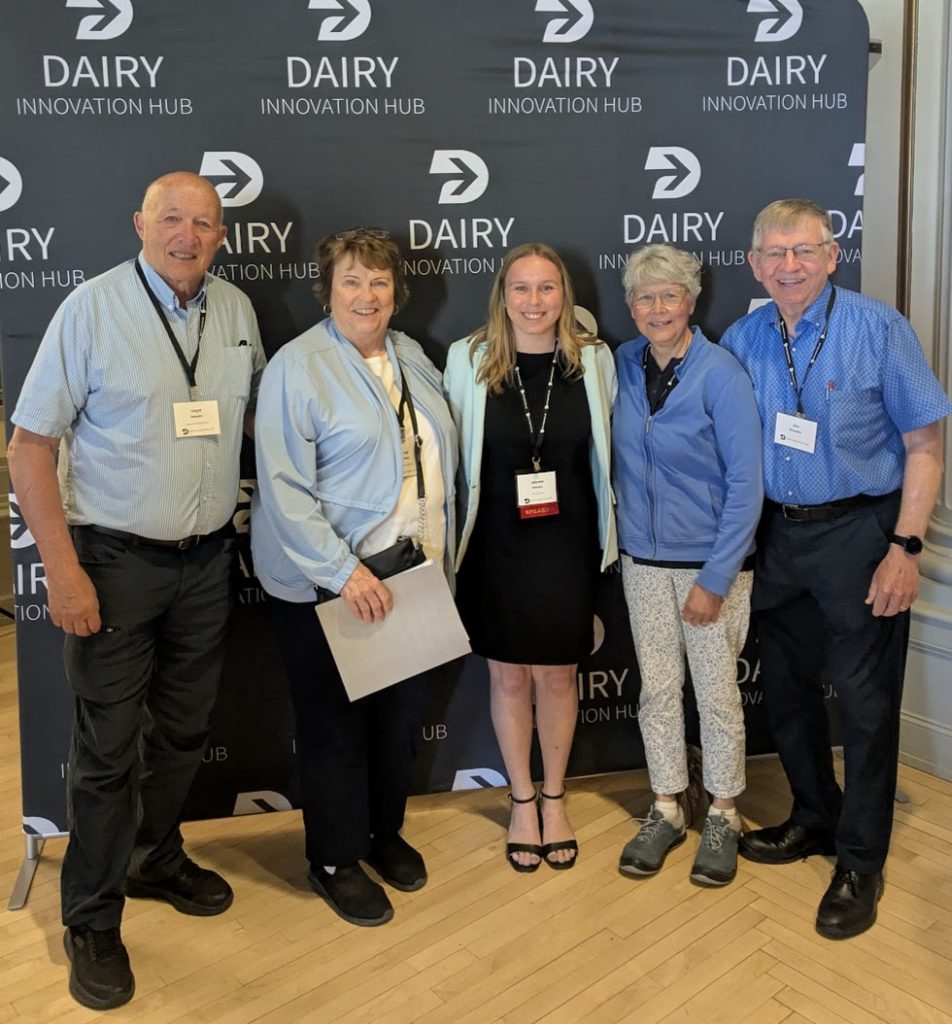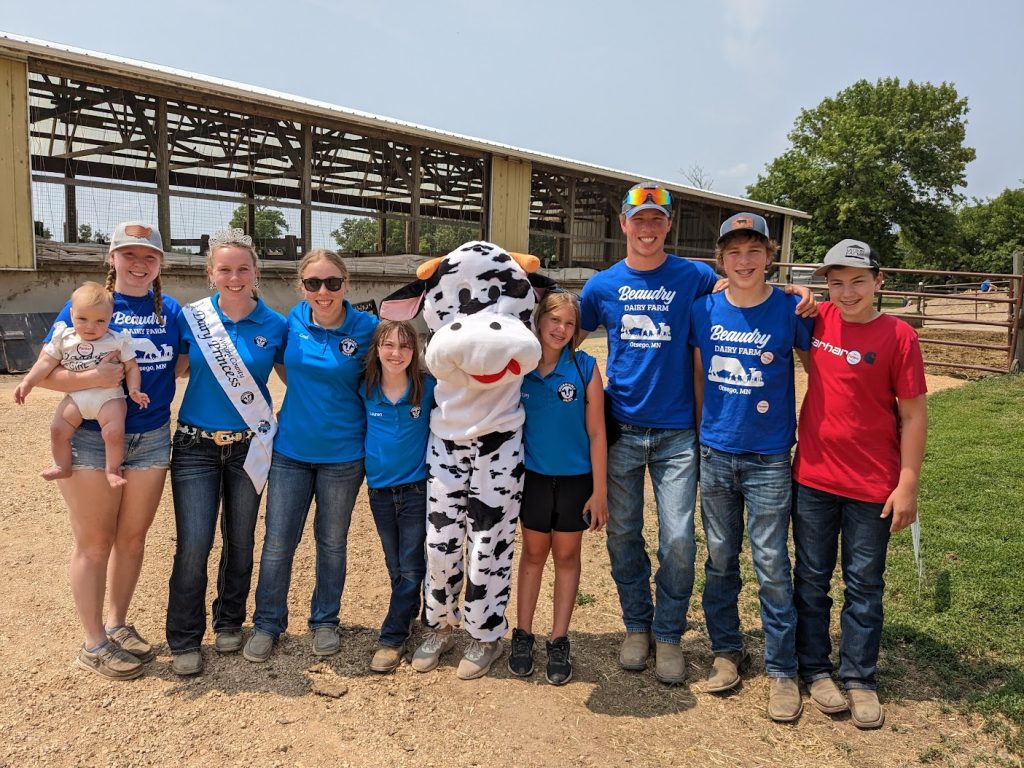
Jalyssa Beaudry (third from left) with family and friends during the Wright County Breakfast on the Farm event hosted at Goldview Farms in Waverly, Minn. Photo contributed
Jalyssa Beaudry grew up on a dairy farm in Minnesota, beginning her journey in agriculture long before she ever considered graduate school—and it’s a path she continues to follow today. In May 2025, she earned her master’s degree in agricultural and applied economics from the University of Wisconsin–Madison, building on her undergraduate studies at the University of Wisconsin–River Falls.
During graduate school, Beaudry conducted research supported by the Dairy Innovation Hub, focusing on the economics of automated milking systems and the ways management decisions shape milk production and revenue. She now applies the analytical skills she developed during her academic training in a new role with CGB Enterprises in the grain industry. Even as her career broadens into new areas of agriculture, Beaudry’s foundation remains firmly rooted in the dairy community where her story began.
Generations of dairy
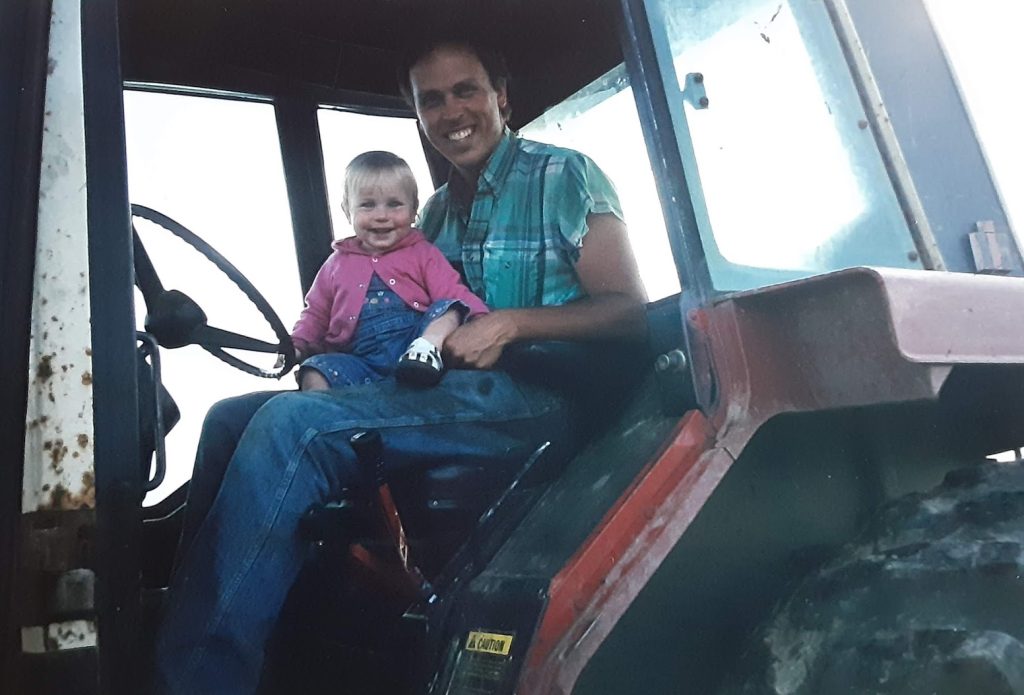
“I’m the 4th generation to grow up on my family’s dairy farm in Otsego, Minnesota. I come from a close-knit family and am the first to graduate from college or pursue a graduate degree,” Beaudry says.
Growing up alongside six younger siblings, Beaudry learned the value of hard work and was motivated early on to take advantage of every academic opportunity available to her.
“During high school, I took community college courses as part of a post-secondary option. It was a unique experience because I was balancing high school life with college-level expectations during the pandemic. Still, I appreciated the challenge,” she says, noting that the program allowed her to reduce the time and cost associated with earning a bachelor’s degree.
With an associate’s degree in hand, Beaudry finished her bachelor’s degree at UW–River Falls in just two years, instead of the traditional four-year path. Her time there would quickly become a turning point in her career.
Discovering agricultural economics
Beaudry was drawn to UW–River Falls’ strong reputation in agriculture and the opportunities it offered to engage with faculty and industry. She participated in undergraduate research and was selected as a McNair Scholar, a federal program funded by the U.S. Department of Education to increase the number of graduate degrees earned by students from underrepresented groups, including first-generation college students.
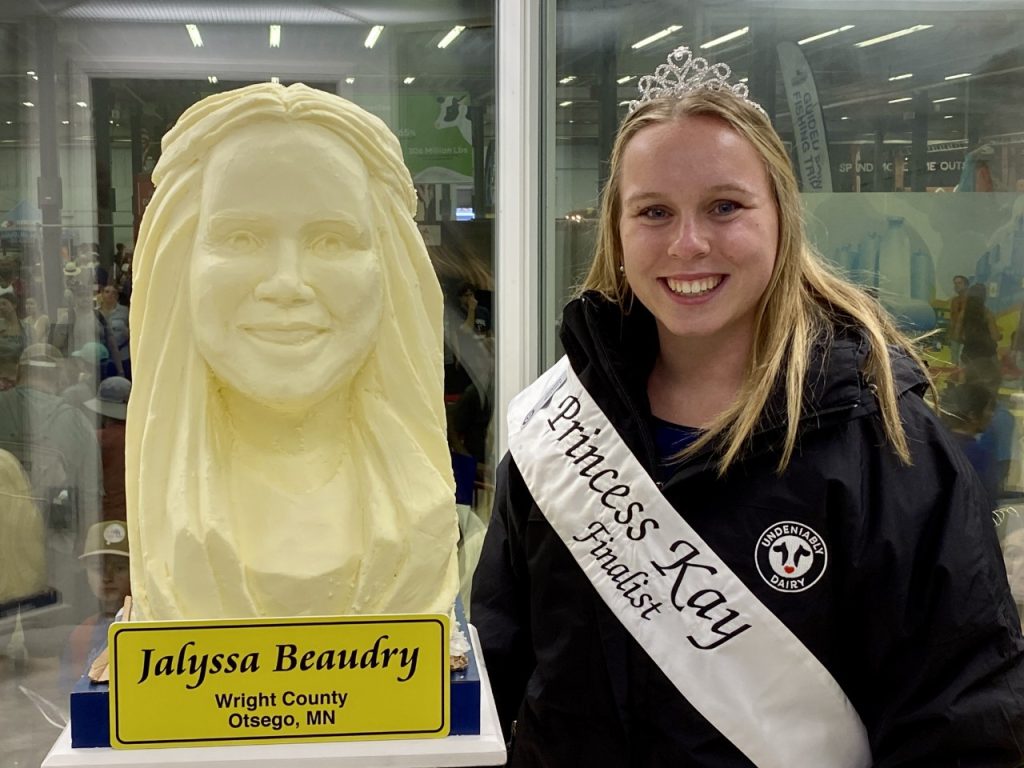
While at UW–River Falls, Beaudry remained active in the dairy community, participating in Minnesota’s Dairy Princess program, even being named as a finalist for Princess Kay of the Milky Way, the ambassador for Minnesota’s dairy farmers. The more time she spent at UW–River Falls, the more her vision for the future evolved.
“As I was exposed to research, data, and on-farm decision-making, my interests shifted toward agricultural economics and analytics. I became especially interested in understanding how technology and management influence farm profitability,” Beaudry says.
Faculty quickly recognized her motivation and curiosity. “From our very first meeting, it was apparent that Jalyssa was very passionate about the dairy community and wanted to make a difference. Growing up on a dairy farm, she had first-hand knowledge of the challenges farmers are facing, which was invaluable input for the research team,” says Shaheer Burney, associate professor of agricultural business and director of the Survey Research Center at UW–River Falls.
Beaudry’s curiosity about innovation on dairy farms soon shaped the direction of her graduate research.
Taking on graduate school
Beaudry’s next step took her to UW–Madison, where she pursued a master’s degree in agricultural and applied economics. Her Hub-funded research assistantship represented a unique partnership leveraging the strengths of UW–Madison and UW–River Falls, allowing Beaudry to work with faculty advisors from both institutions while continuing to build on the research foundation she developed as an undergraduate.
“Jalyssa’s enthusiasm and her prior work with UW–River Falls faculty supporting research on automated milking systems made her a standout,” says Charles Nicholson, adjunct associate professor of animal and dairy sciences at UW–Madison, who served as one of her advisors during the program. Nicholson was also struck by Beaudry’s drive to complete her academic programs, finishing a bachelor’s and a master’s degree in four years.
For Beaudry, the opportunity to engage in research confirmed her decision to attend graduate school. “I was graduating two years ahead of my peers. I didn’t quite know my path yet, but I knew I wanted to stay involved in agriculture and help farmers. When I got the assistantship from the Dairy Innovation Hub, it was my last sign of ‘ah-ha’, that’s what I’m meant to do after college,” she says.
And she isn’t alone—a growing number of Hub-funded students have found similar encouragement and direction through these opportunities.
“Programs like the Dairy Innovation Hub play a central role in building the next generation of agricultural leaders by investing in research capacity, training opportunities, and cross-campus collaboration,” says Luis Peña-Levano, Beaudry’s former advisor at UW–River Falls, currently serving as an assistant professor at UC Davis.
Collaborative graduate assistantships like Beaudry’s linking UW–Madison, UW–Platteville, and UW–River Falls have strengthened working relationships between faculty involved in the Hub, paving the way for successful, dairy-focused grant proposals.
Research on automated milking systems
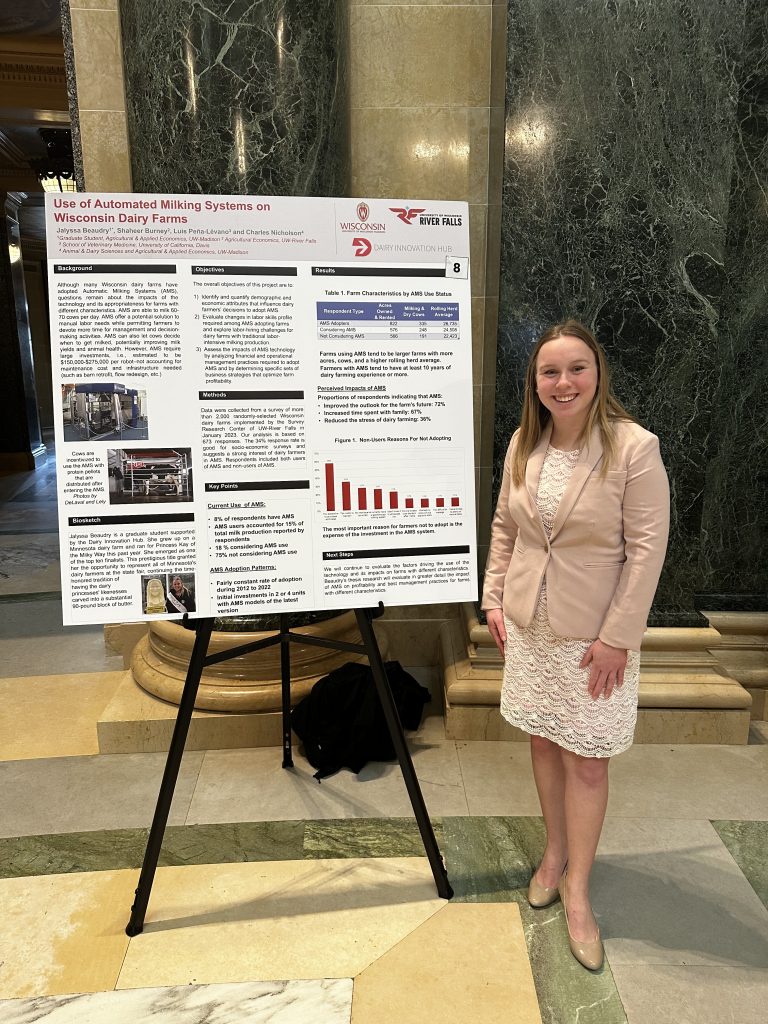
Beaudry’s master’s research focused on automated milking systems (AMS). Her work explored how milking frequency affects not only production performance but also farm profitability. The project drew on survey data from 500 randomly selected licensed dairy farms across Wisconsin.
AMS allows cows to voluntarily enter a milking unit throughout the day rather than following a fixed milking schedule. “AMS has become increasingly important as farms seek to use labor more efficiently and, in some cases, reduce the amount of labor needed on farms—including labor provided by members of the farm family,” Nicholson says.
Beaudry’s analysis found that management practices play a critical role in determining how successful AMS adoption can be. Her research showed that cows achieving an average of three milkings per day early in their lactation produced more milk later in their lactation cycle, ultimately increasing milk revenue.
“Early-lactation management is a leverage point: it is one of the periods where managerial decisions and protocols — like training cows to use the robot, managing cow flow, setting permissions and fetching strategies, and nutrition alignment — can affect cow performance and the payoff of the technology investment,” Peña-Levano says.
Beaudry’s research also revealed differences in how AMS and non-AMS farms responded to challenges such as the COVID-19 pandemic. AMS farms often reduced herd sizes to manage production, while non-AMS farms more frequently relied on adjustments to feed or herd management.
The study further highlighted how farmers view industry risks differently. AMS farms often cite price volatility as their biggest concern, while non-AMS farms more commonly identify labor recruitment and management as their primary challenge.
Robotic milking technology provides new efficiencies, and Beaudry’s findings highlight that strong management practices remain essential to achieving the best results.
“I see my research helping farmers make more informed decisions when investing in or managing AMS technology,” Beaudry says. During graduate school, she presented her findings at several dairy conferences, and the results of her study are now under review with a major dairy journal.
From dairy research to the grain industry
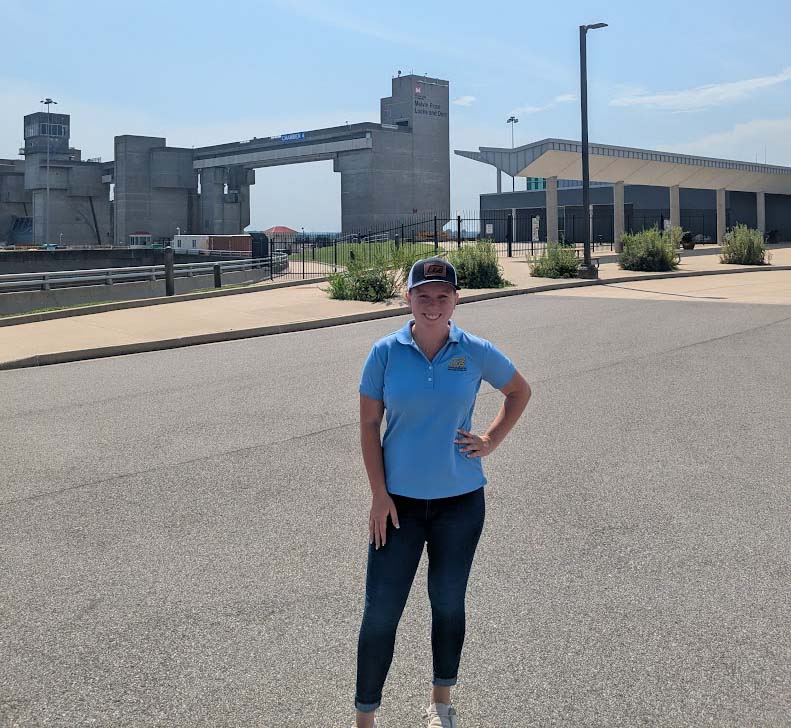
After completing her graduate degree, Beaudry transitioned from dairy research into the grain sector, accepting a position with CGB Enterprises, a grain merchandising and transportation company. For Beaudry, the position offered a natural next step. “I knew I wanted a career that kept me close to agriculture but also allowed me to use the analytical and communication skills I developed in graduate school,” says Beaudry.
Although her graduate research focused on dairy systems, the core skills she developed are widely transferable across agricultural sectors.
“AMS research is not just about dairy; it is training in how to evaluate modern agricultural technologies and how to turn data into business-relevant insights,” Peña-Levano says.
Through her work, Beaudry continues to apply the same combination of technology, economics, and farm-level decision-making that shaped her academic research.
Reflecting and looking ahead
Beaudry offers clear guidance for students considering graduate studies. “Choose a topic you genuinely care about—you’ll be spending a lot of time with it,” she says, emphasizing that passion sustains students through the demands of research. She also highlights the importance of building strong relationships with faculty and becoming comfortable working with data.
Staying connected to the dairy community is essential, she notes, because it ensures that academic work remains grounded in real-world needs. Ultimately, she believes graduate school is most meaningful “when your work connects back to the people you aim to serve.” For Beaudry, that purpose was deeply personal: she wanted to give back to the industry that shaped her and honor previous generations of her dairy farming family.
As her career develops, Beaudry remains focused on staying connected to agricultural communities. “Working in a rural or agriculture-centered community is very important to me,” Beaudry says. “I value staying connected to farmers and being in places where agriculture drives daily life.” She plans to stay in the rural Midwest and move into roles that integrate analytics, farmer relationships, and leadership responsibilities.
Faculty who worked with Beaudry during her time in River Falls and Madison believe she will continue making a meaningful impact.
“When someone genuinely cares about improving the lives of farmers like Jalyssa does, they make an indelible impact that resonates far and wide,” Burney says.