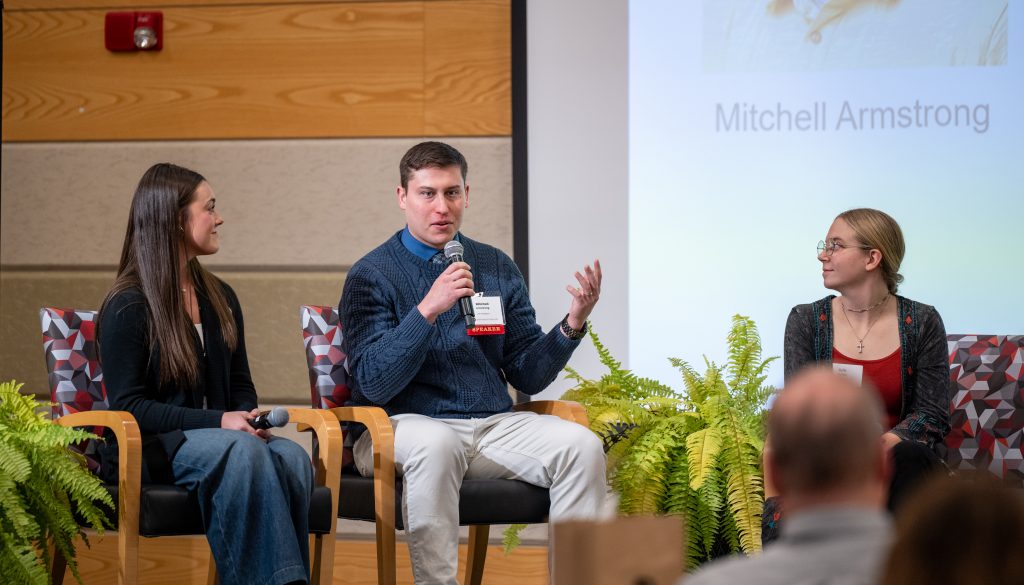
Mitchell Armstrong presents a research poster at the 2025 Dairy Symposium, May 14, 2025 at UW–Madison. Photo by Nguyen Tran
When you meet Mitchell Armstrong, the duality of his life stands out immediately. He’s both a PhD food science student at UW–Madison and a First Lieutenant in the Wisconsin Army National Guard, preparing to deploy as a platoon leader overseeing 16 soldiers. His days shift between the precision of lab work and the discipline of military service, two different worlds he believes strengthen each other.
At the center of Armstrong’s research is whey protein phospholipid concentrate (WPPC), a dairy co-product with health benefits beyond basic nutrition. His findings suggest WPPC may support bone health and development, offering new promise for postmenopausal women. Driven by scientific curiosity and a commitment to helping people, his work is made possible through support from the Dairy Innovation Hub, which funds his assistantship and his advisor, Gulustan Ozturk, an assistant professor of food science at UW–Madison.
Finding his path
Growing up in Appleton, Wisconsin, money was tight for Armstrong’s family, making higher education seem out of reach. “The National Guard was a great opportunity to pay for my education,” he said. “It enabled me to attend college, improved my leadership abilities, molded my character, and gave me many technical skills I would not otherwise have learned or developed.”
He arrived on campus with plans to attend medical school, but during his undergraduate years, he discovered laboratory work, and everything changed. He completed a bachelor’s degree in microbiology and earned a certificate in fermented foods and beverages, discovering a passion for the intersection of food, health, and science.
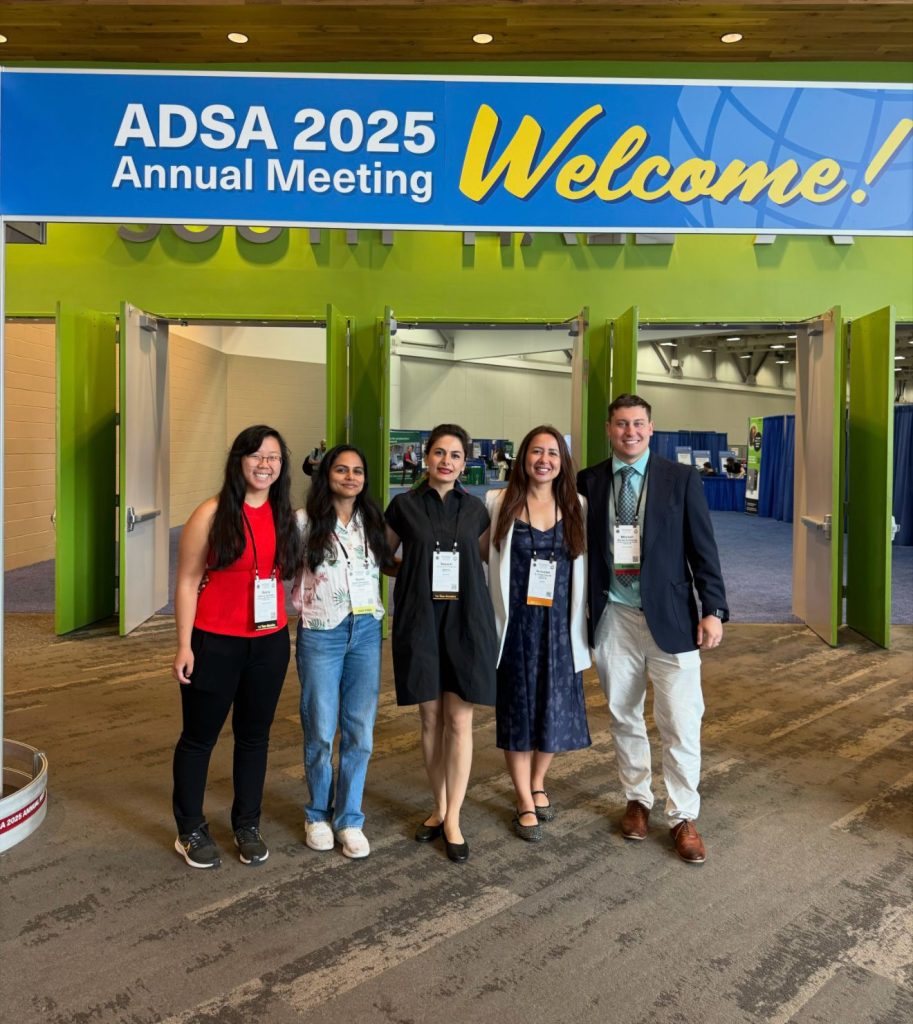
After graduation, Armstrong spent time working outside academia before deciding to pursue a PhD. That transition, he said, would not have been possible without UW–Madison’s Post-Baccalaureate Research Education Program (PREP), a one-year experience designed to prepare students for the academic and research rigor of graduate school.
“It’s impossible to underrate the importance the PREP program played in my transition back into academia,” Armstrong said. “They helped me identify gaps in my research knowledge and prepare me for graduate school in many ways.”
The research: turning WPPC into a tool for healthier aging
Armstrong’s research centers on something most people outside dairy processing have never heard of: WPPC. When whey protein isolate, a popular nutritional supplement, is produced, one of the major co-products left behind is WPPC, a concentrated source of milk fat globule membrane components known for their potential health benefits.
“Many are familiar with whey as a co-product from making cheese,” Armstrong explained. But WPPC comes from whey protein isolate production. It’s full of unique proteins and lipids that are only beginning to be understood.
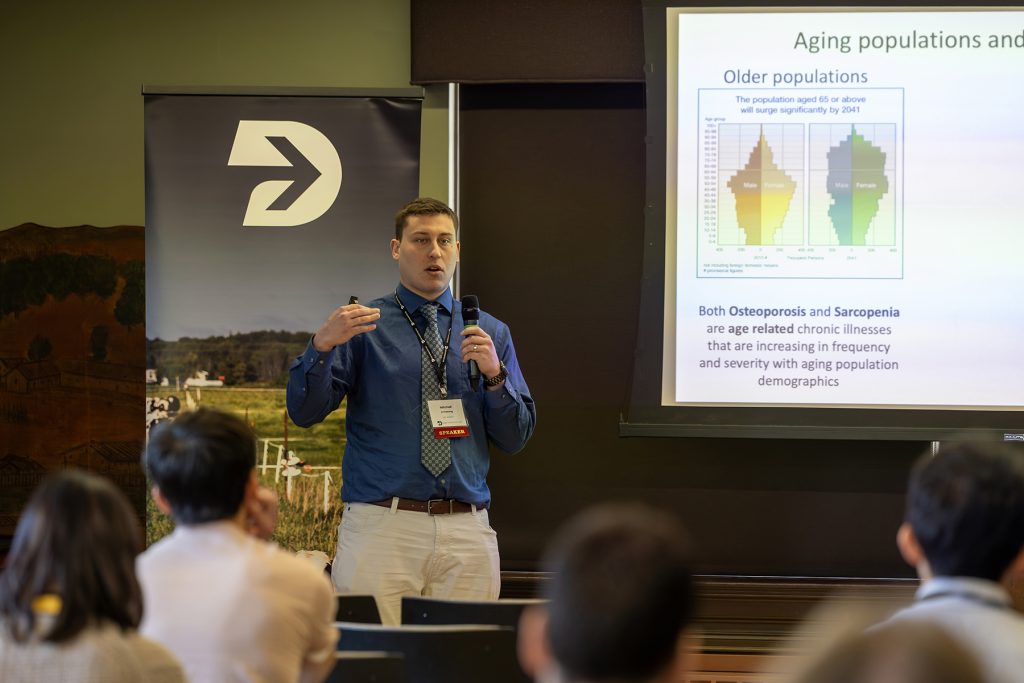
Armstrong set out to fractionate WPPC into protein-rich and fat-rich components that were then tested in a mouse model to examine their effects on growth and development.
The results are promising. Armstrong recently had a paper accepted in the Federation of American Societies for Experimental Biology (FASEB) Journal, showing that supplementation with WPPC and its fractions increased femur length and bone mineral density in growing mice.
Joseph Pierre, an assistant professor of nutritional science at UW–Madison, who co-leads the research effort, said Armstrong has been key to advancing the project. “Mitchell worked diligently and creatively under the guidance and knowledge of Dr. Ozturk to optimize the separation of fat and protein fractions,” Pierre said. “By doing this, he was able to feed whole WPPC along with the protein and fat enriched fractions to understand the impact on development, specifically bone development and microarchitecture, in a small animal model in early life.”
The long-term implications could be significant. Bone loss is a major concern for postmenopausal women, who face an increased risk of osteoporosis and related fractures as estrogen levels decline.
“I see my research as an important stepping stone to develop real-world, targeted nutritional support to millions of postmenopausal women,” Armstrong said. “There are currently very few options for women dealing with the health consequences of menopause. I am grateful to be part of something with the potential to touch so many people.”
The Hub has played a pivotal role in making this research possible. “For students like Mitchell, this support translates into hands-on experience with cutting-edge technologies and the opportunity to publish, present, and collaborate across departments and industry partners,” Ozturk said. “It has truly elevated the kind of experiential learning and research mentorship we can offer at UW–Madison.”
Military service and academic life
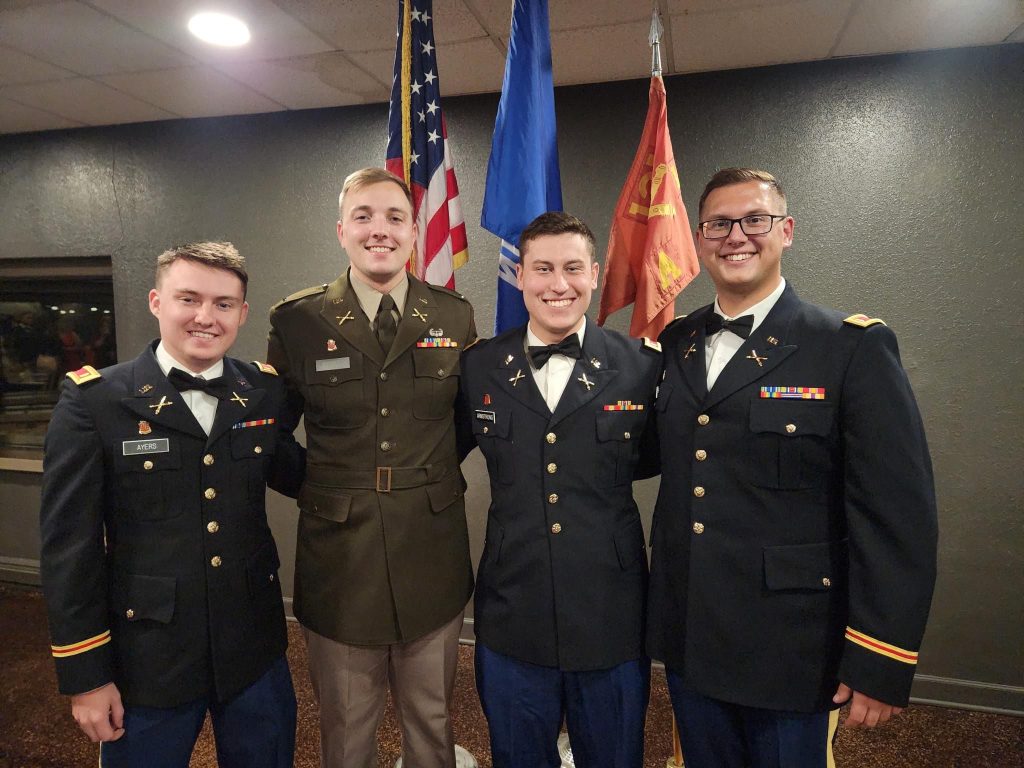
Armstrong joined the Army National Guard primarily to pay for school but also out of dedication to serving his country. Over the years, service has shaped his character, leadership skills, and sense of responsibility.
“If I had to pick a single organization that has shaped my life the most, it would be the Army,” he said. But service is not without sacrifice. Armstrong has missed class, lost valuable research time, and struggled to balance physical training requirements with academic deadlines. His current deployment, which began in late 2025, will delay his PhD by a year.
“Research is largely driven by individuals,” he explained. “It is difficult to have others cover for my absence when researchers are often all busy with their own, different work.”
Armstrong is headed to the Middle East in support of Operation Spartan Shield where he serves as a platoon leader in a HIMARS rocket truck unit, responsible for soldiers ranging from Private First Class to Sergeant First Class.
This deployment has required careful planning to ensure his research projects can continue in his absence. Pierre noted Armstrong’s leadership in preparing the lab for continuity. “Specifically sharing the protocols he’s optimized, and where to find and leverage resources he currently provides when he is absent,” Pierre said.
Ozturk echoed that sentiment. Mitchell’s reliability and initiative make him an exceptional student,” she said. “He also plays a key leadership role in mentoring new students, fostering a collaborative and supportive lab culture. Beyond his technical ability, Mitchell brings a sense of fun and creativity to our group.”
A future guided by service, science, and Wisconsin dairy
Armstrong’s work is driven by a clear purpose: using science to make a tangible difference in people’s lives. His focus on WPPC and its potential to support women’s bone health reflects that motivation, especially for a population that has long faced limited options for addressing menopause-related bone loss.
As he and his wife prepare to start a family, Armstrong is keeping his long-term plans flexible. While academia has shaped his path, he looks forward to a future closely tied to Wisconsin’s dairy industry. “My work will certainly stay within the agriculture — specifically dairy — fields due to my desire to remain in Wisconsin,” he said.
For other veterans or nontraditional students considering graduate school, Armstrong encourages thoughtful preparation and confidence. Communicating with unit leadership, planning for potential absences, and trusting in one’s ability to succeed, he says, are essential steps.
Across both the lab and the military, Armstrong’s path is guided by the same core values: serving others, stepping up as a leader, and a desire to make a difference. With support from the Dairy Innovation Hub and the values that shaped him, he continues to move between these two worlds—pushing his research forward, supporting his community, and working toward a healthier future for the people who depend on it.