
The UW–Madison College of Agricultural and Life Sciences (CALS) has selected seven projects for Short‑Term, High‑Impact funding through the state‑supported Dairy Innovation Hub. These one‑year grants advance the Hub’s four priority areas: stewarding land and water, enriching human health and nutrition, ensuring animal health and welfare, and growing farm businesses and communities.
Short‑Term, High‑Impact projects leverage existing UW–Madison expertise to provide timely, practical results. Funded through the state’s $7.8 million per year investment, the Hub positions Wisconsin’s dairy community for economic, environmental, and social success and fosters collaboration across UW–Madison, UW–Platteville, and UW–River Falls.
The following seven projects were selected for funding:
Advancing conservation in dairy cropping systems through farmer‑led research

Project summary: Facing tight margins, weather variability, and environmental pressures, Wisconsin dairy farmers need conservation solutions that work economically and agronomically. Using a participatory research model, this project engages eight dairy farms, producer‑led watershed groups, local advisors, and UW–Madison Extension to:
- Identify priority conservation challenges
- Co‑design and conduct one‑year, on‑farm trials
- Share results via farmer‑to‑farmer learning, reports, and Extension programming
Expected impact: This project will generate site‑specific research reports and a range of outreach materials that farmers can use to guide decision‑making. It will strengthen farmers’ knowledge of conservation practice performance and increase their confidence in adopting effective strategies.
Researcher: Abigail (Abby) Augarten is the on‑farm research program manager with the UW–Madison Division of Extension, specializing in farmer‑driven trials that advance soil health, water quality, and practice adoption.
On‑farm evaluation of nutrient export from alfalfa production – a survey of Wisconsin production fields
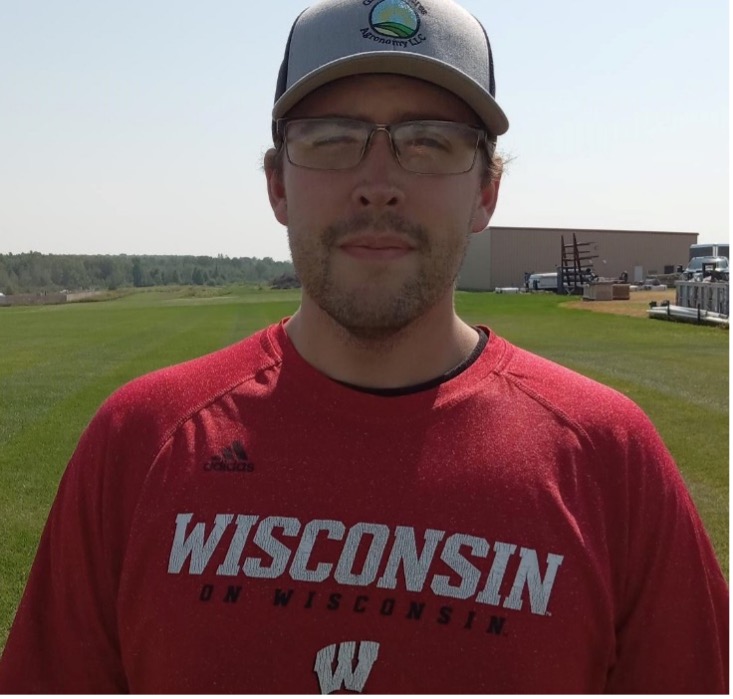
Project summary: Alfalfa is vital to Wisconsin dairies for high‑quality forage. To sustain productive stands and protect water resources, farmers need clearer, field‑tested numbers for nutrient removal—especially phosphorus (P) and potassium (K)—and better guidance for sulfur (S), magnesium (Mg), and boron (B). This project will measure nutrient export from alfalfa fields across Wisconsin during the 2026 season and compare findings with current UW guidelines to confirm alignment or highlight where updates and further research are needed.
Expected impact: This project will provide data‑driven nutrient recommendations that help protect both crop yields and water quality. The results will also support sharper, more informed fertility‑management decisions by advisors and producers across the state.
Researcher: Chris Bandura is the soils program manager for UW–Madison Division of Extension, leading statewide efforts to translate soil science into practical guidance. He partners with producers, agronomists, and conservation groups to improve soil health, optimize nutrient use, and safeguard Wisconsin’s land and water.
Re‑establishing dairy youth programming in America’s Dairyland to ensure the sustainability of Wisconsin’s dairy workforce

Project summary: To meet future workforce needs—agriculture accounts for 9.5% of Wisconsin jobs, and nationally more than 18,000 agriculture‑related graduates will be needed each year through 2030, this initiative will rebuild dairy youth outreach that inspires, prepares, and supports tomorrow’s leaders. Project goals include:
- Create regional outreach events highlighting educational and career pathways
- Launch a youth dairy camp to spark early interest and strengthen undergraduate recruitment
- Offer hands‑on coursework teaching core dairy farm management skills
Expected impact: This project will strengthen youth engagement and provide clearer pathways for young people interested in pursuing careers in dairy. It will also lay the groundwork for an expanded, statewide youth program pipeline designed to support the long‑term sustainability of Wisconsin’s dairy workforce.
Project team
- Laura Hernandez: Professor, animal and dairy sciences; nationally recognized in lactation biology, with emphasis on mammary adaptation, calcium regulation, and serotonin in healthy milk production
- Eric Ronk: Teaching faculty, animal and dairy sciences; teaches Intro to Animal Sciences and Dairy Herd Management; coaches Dairy Challenge; active advisor and outreach leader focused on hands‑on learning
- Megan Lauber: Ph.D. candidate, animal and dairy sciences; research on optimizing fertility with sexed semen and economics of reproductive management; extensive farm background and industry internships

Measuring methane emissions in young bulls: the fast track to more sustainable dairy farming?

Project summary: This project evaluates whether young‑bull methane measurements can accelerate genetic progress toward lower emissions. By measuring methane and related traits in elite bulls at two commercial studs, the team will quantify variation and heritability, then compare young‑bull data with existing lactating‑cow datasets. If strongly correlated, methane phenotypes from bull studs could power rapid selection for lower‑emitting cattle—helping farmers reduce footprint without sacrificing productivity.
Expected impact: This project will establish a scalable pathway for selecting lower‑emitting sires earlier in life, improving the efficiency of genetic progress toward sustainability goals. It will also provide practical, science‑based tools that support both environmental stewardship and economic performance across the dairy industry.
Researcher: Francisco Peñagaricano is an associate professor in animal and dairy sciences. His research focuses on using large datasets and modern genetic tools to better understand what makes dairy cattle productive, healthy, and resilient. By analyzing genes and biological information at many levels, his work helps identify the factors that influence key traits such as fertility and methane emissions—supporting smarter breeding decisions across the dairy industry.
Developing practical educational tools to advance dairy workforce training and improve milk quality and udder health

Project summary: Mastitis is still the most common and costly health challenge in U.S. dairy herds. Because prevention hinges on daily milking routines and excellent animal care, effective workforce training is critical—yet many employees face literacy, language, or experience barriers. Building on the Milk Quality from the Udder World (MQUW) train‑the‑trainer program, this project will create two tools based on pilot feedback:
- Milk Quality Practice Kits: portable, hands‑on materials (e.g., gloves, CMT tests, dip cups, milk vials) to reinforce skills.
- Milk Quality Training Handbook: a durable, bilingual guide with clear explanations and QR‑linked videos for real‑time, on‑farm refreshers.
Expected impact: This project will help standardize milking routines and reduce mastitis rates across participating farms. It aims to certify roughly 100 trainers each year through a six‑month, low‑cost model that expands access to high‑quality instruction.
Researcher: Carolina Pinzón is a dairy outreach specialist with UW–Madison Division of Extension, leading statewide programming in milk quality, udder health, and workforce training. With 20+ years in the dairy sector—from herd management to industry training and bilingual consulting—she bridges research and practice through high‑quality, bilingual education.
Wellness on Wheels (WoW) – Cultivating and evaluating health and safety across Wisconsin dairy farms

Project summary: Wisconsin dairies rely on immigrant Latino workers who often face barriers to healthcare—language, transportation, insurance, and rural isolation—alongside elevated occupational risks. WoW brings health support directly to farms via bilingual education, wellness coaching, screenings, and emergency‑response training. Community health workers will lead 12‑week on‑farm sessions and train peer leaders to sustain practices long‑term. Mixed‑methods evaluation (assessments, surveys, interviews, behavior tracking) will identify strategies that strengthen daily habits, emergency preparedness, and access to care.
Expected impact
- Improved PPE use, participation in screenings, and emergency readiness.
- Scalable tools and trained peer leaders to extend impact statewide.
- Stronger, healthier dairy workforces and more resilient businesses.
Researcher: John Shutske is a professor of biological systems engineering and extension agricultural safety and health specialist at UW–Madison. With 30+ years of national leadership in ag safety, occupational health, and risk management, his work spans airborne hazards, antimicrobial resistance, digital ag adoption, and farm stress.
Understanding and reducing pregnancy loss in lactating dairy cows
Project summary: Early pregnancy loss remains one of the biggest reproductive challenges in dairy farming, with roughly one‑third of pregnancies failing in the first month. This project will test progesterone supplementation during two early‑pregnancy windows to pinpoint when intervention is most effective. Working with ~2,000 cows in commercial herds, the team will also use genetic evaluations to identify animals naturally more resilient to pregnancy loss.
Expected impact
- Improve pregnancy success and reduce non‑productive days and culling.
- Enhance animal health and farm sustainability, lower environmental impact per unit of milk.
- Create practical, science‑based educational resources on early pregnancy and pregnancy loss for farmers, veterinarians, students, and the public.
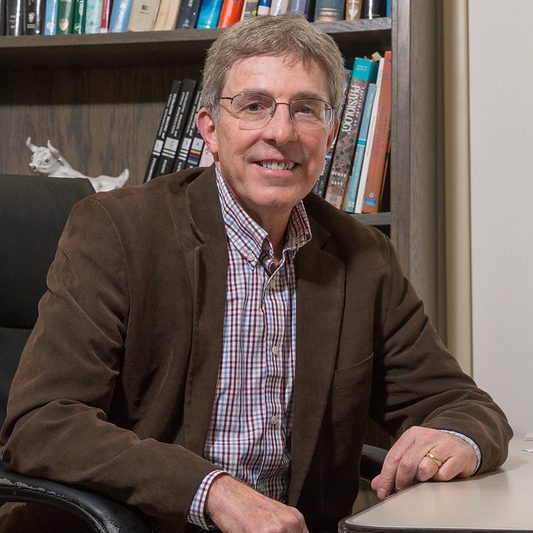
Researcher: Milo Wiltbank, a professor of reproductive physiology in animal and dairy sciences, is widely known for developing timed artificial‑insemination methods that help farmers breed cows more efficiently, and his work has shaped dairy reproduction practices around the world.
Contact: Maria Woldt, Dairy Innovation Hub program manager, (608) 265-4009, maria.woldt@wisc.edu
Photos: Click names above for headshot download